Hand Signals Guide
Standard construction equipment hand signals. Tap any card to see the gesture description and meaning.
Only one designated signaler at a time
The operator must obey signals from only one person at a time, except for an emergency stop — which anyone on the site can give.
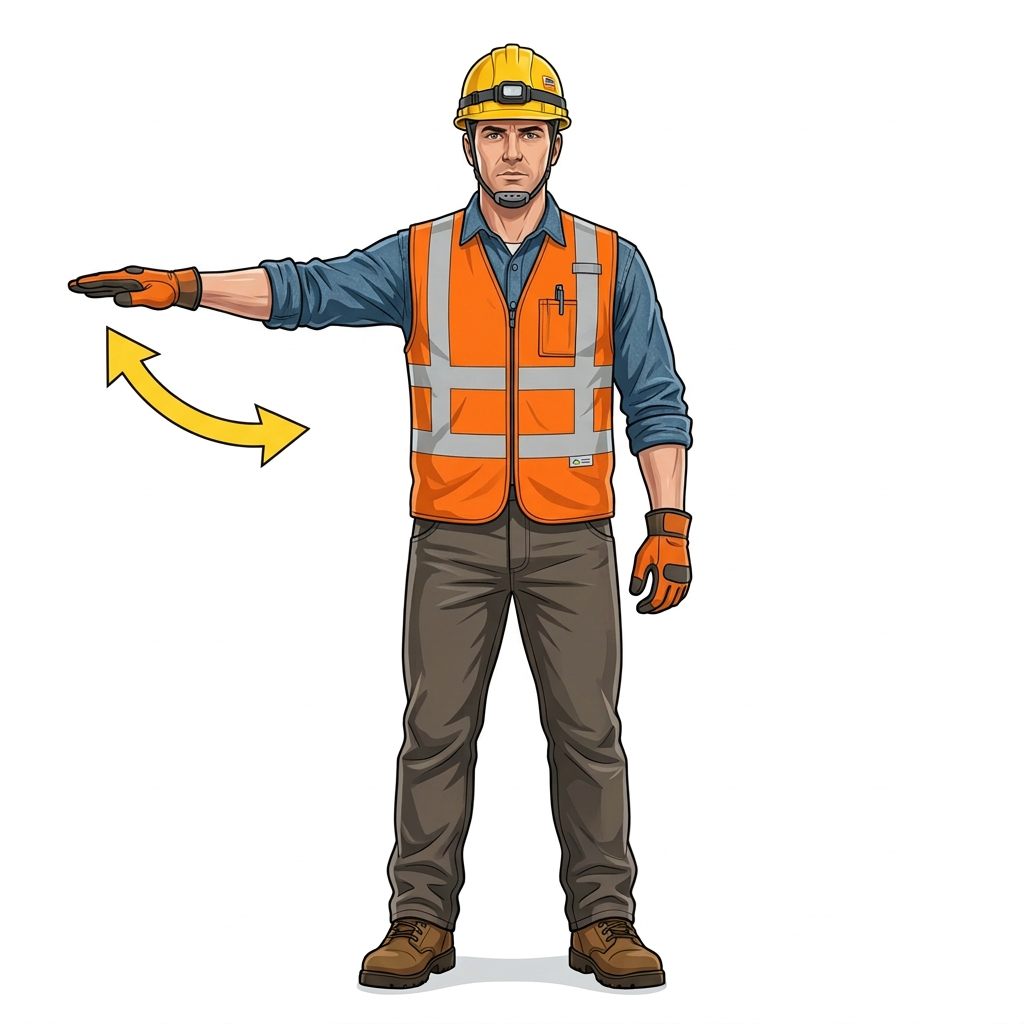
Stop
Stop SignalTap to see meaning
Stop
Gesture
One arm extended horizontally to the side, hand flat palm down, sweeping side to side.
Meaning
All machine movement must stop immediately. Used when a hazard is spotted or operations must pause.
Tap to flip back
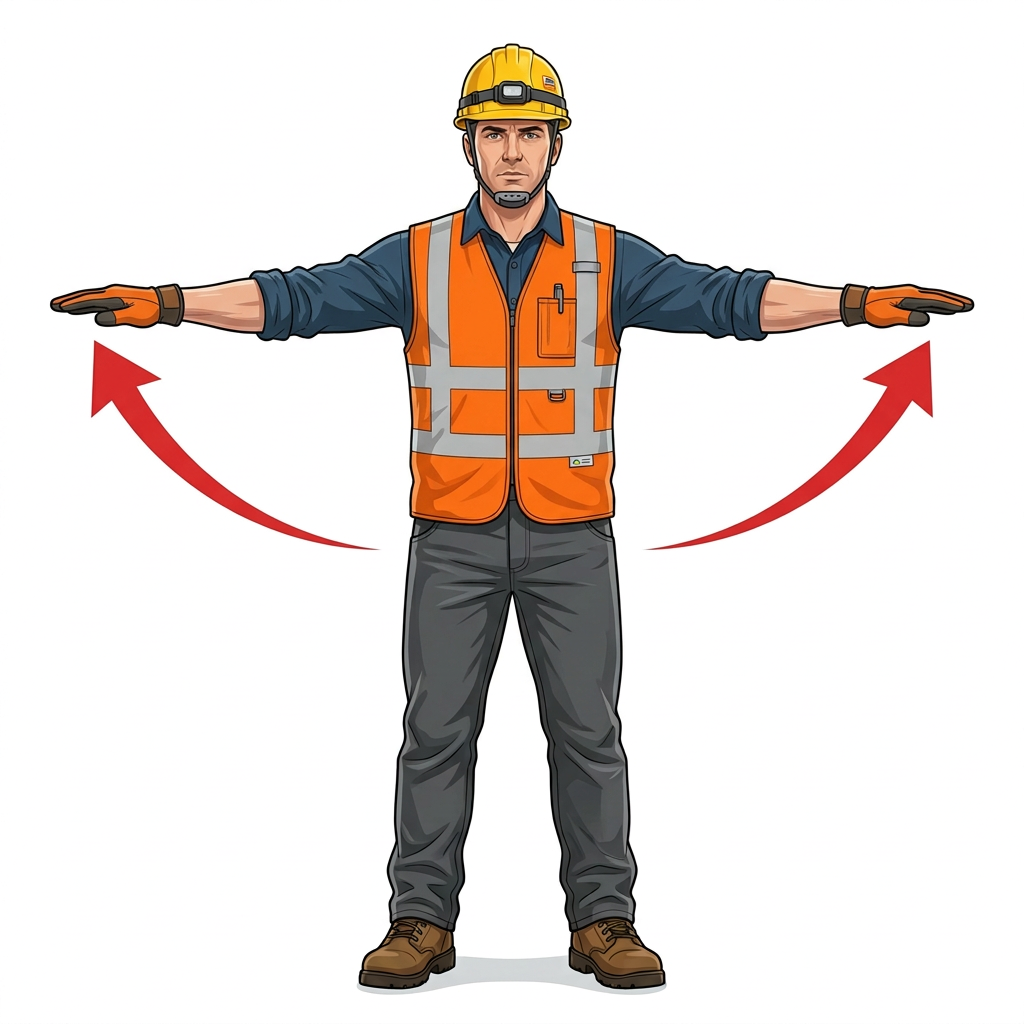
Emergency Stop
Stop SignalTap to see meaning
Emergency Stop
CRITICALGesture
Both arms extended outward horizontally to each side, hands flat palms down, sweeping outward.
Meaning
IMMEDIATE stop of ALL operations. Used in dangerous or life-threatening situations. Operator must shut down and not resume without verbal clearance.
Tap to flip back
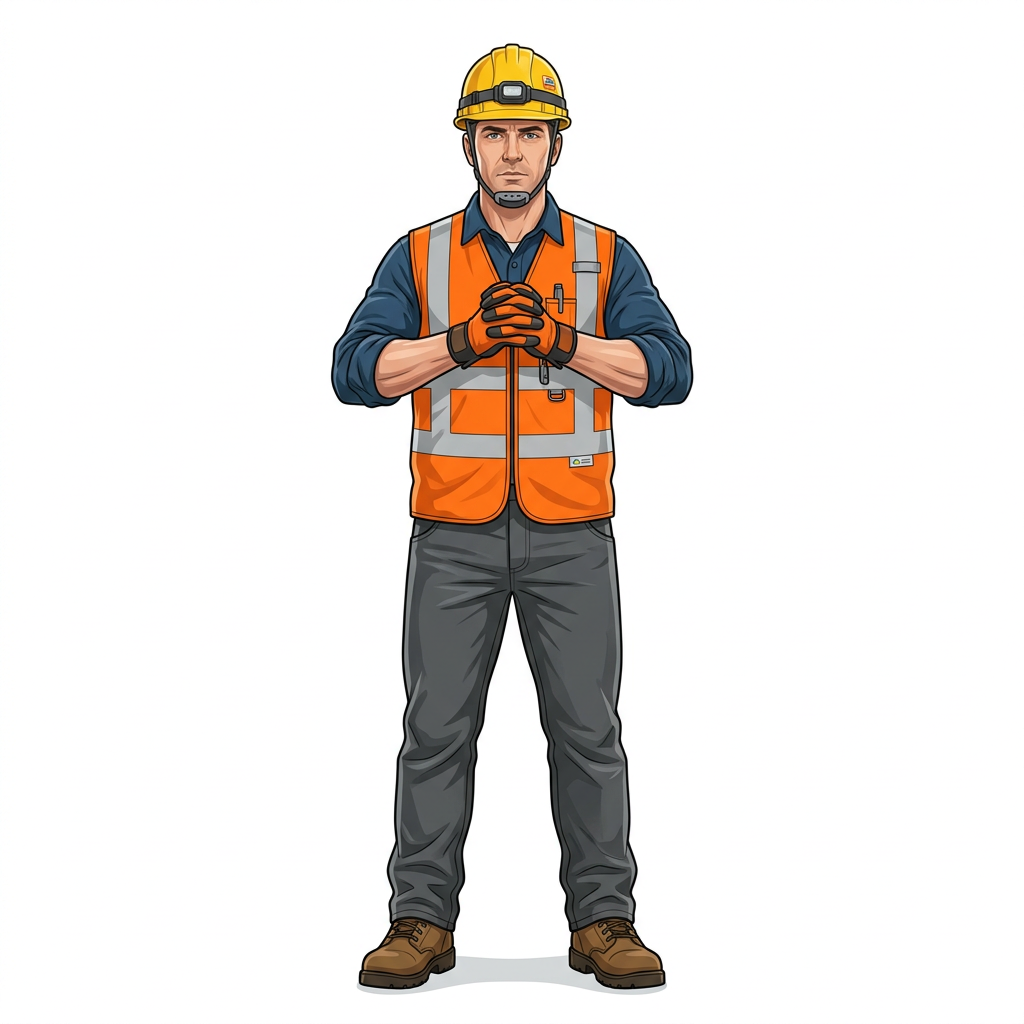
Dog Everything / Hold
Stop SignalTap to see meaning
Dog Everything / Hold
Gesture
Both hands clasped together in front of chest with interlocked fingers.
Meaning
Pause all activity and hold position. Not an emergency — used during a planned break, safety check, or to wait for clearance before continuing.
Tap to flip back
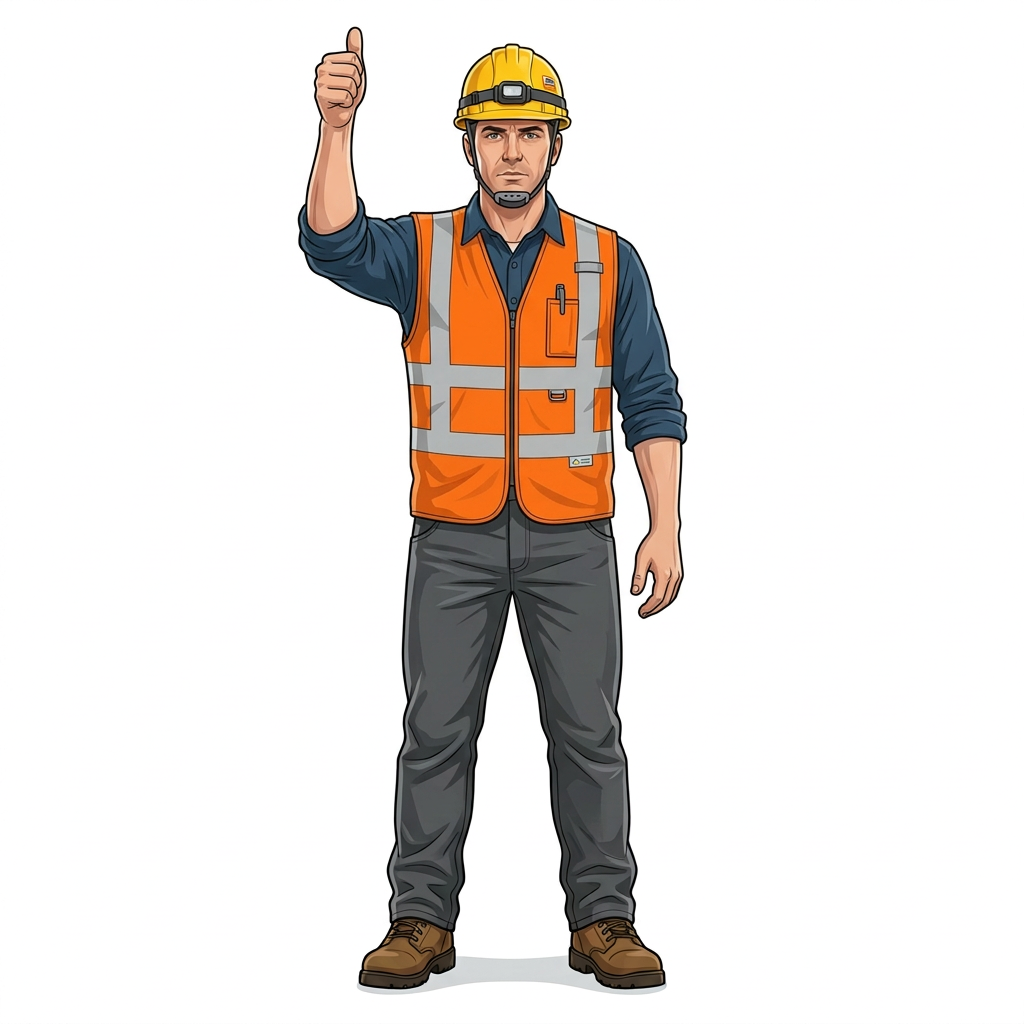
Raise Boom
Boom & LoadTap to see meaning
Raise Boom
Gesture
One arm extended upward with thumb pointing up.
Meaning
Signal the operator to raise the boom. Continue signal until the desired position is reached.
Tap to flip back
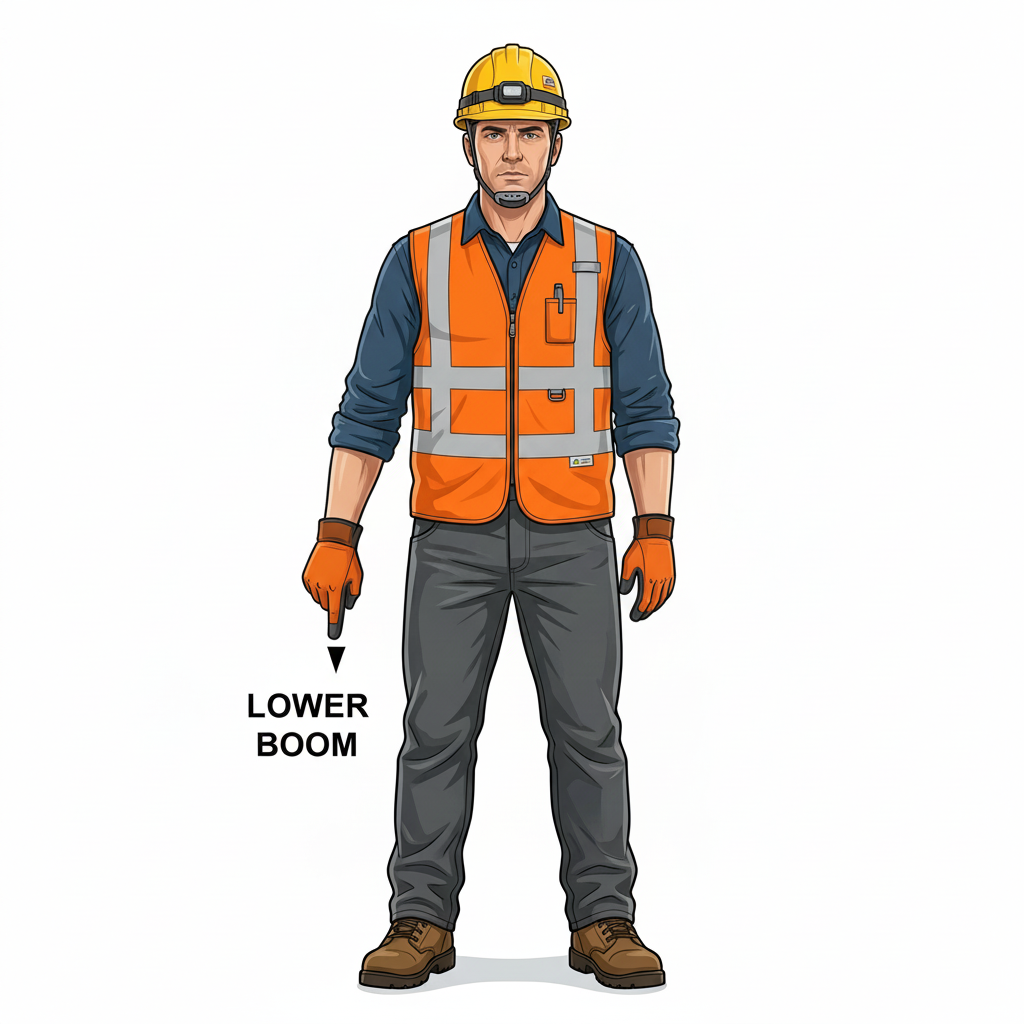
Lower Boom
Boom & LoadTap to see meaning
Lower Boom
Gesture
One arm extended downward with thumb pointing down.
Meaning
Signal the operator to lower the boom. Maintain the signal until the boom reaches the desired position.
Tap to flip back
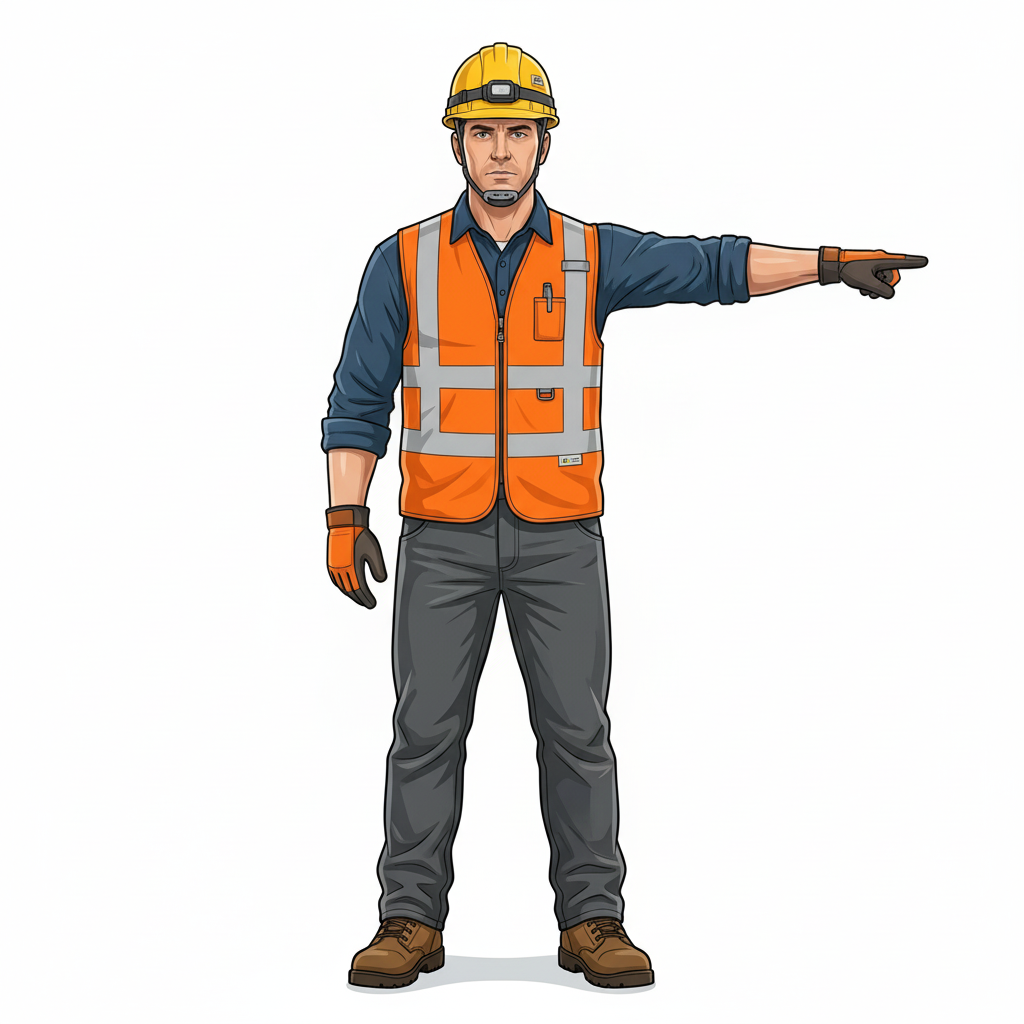
Swing Boom
Boom & LoadTap to see meaning
Swing Boom
Gesture
One arm extended horizontally to the side, pointing in the direction of intended swing.
Meaning
Direct the operator to swing the boom in the indicated direction. Point clearly toward the target direction.
Tap to flip back
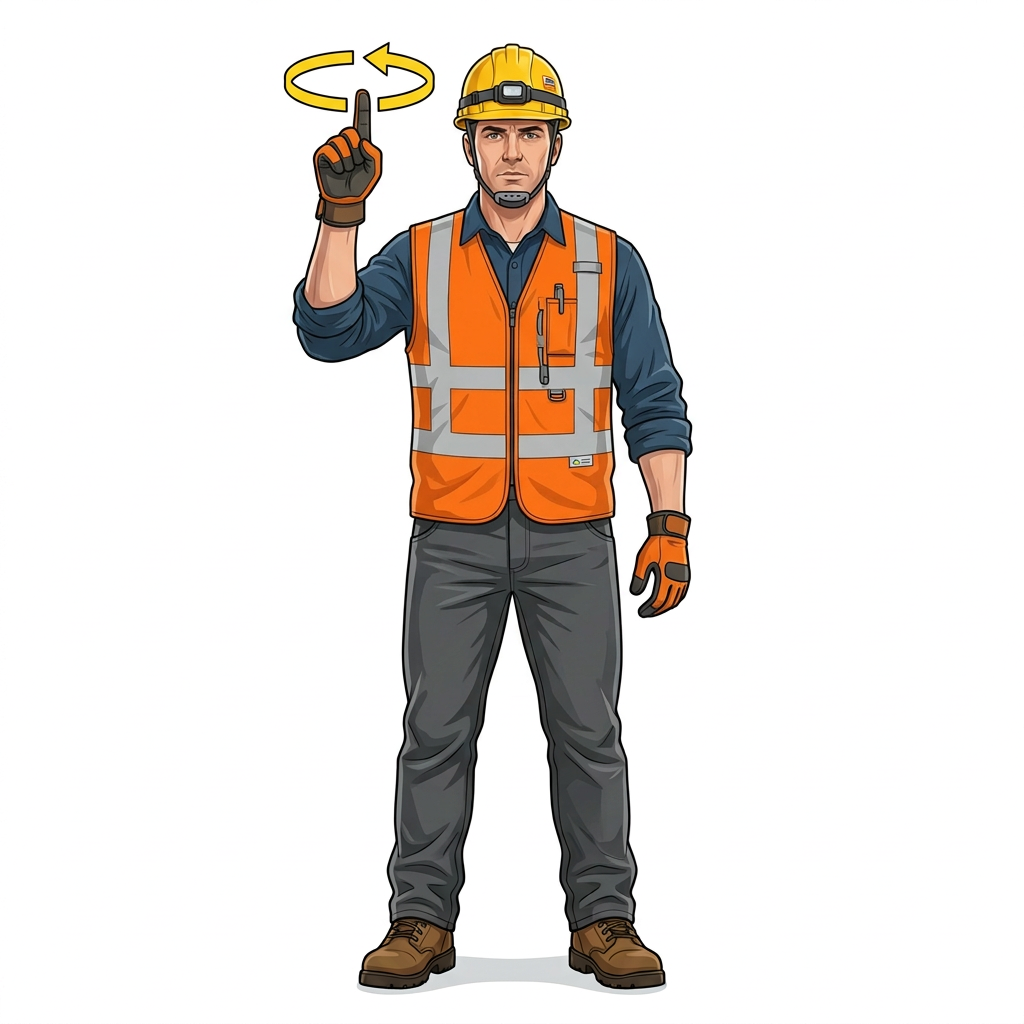
Hoist Load
Boom & LoadTap to see meaning
Hoist Load
Gesture
One arm raised with index finger pointing up, making a small circular motion.
Meaning
Signal the operator to hoist (raise) the load. The circular motion indicates a continuous lift until a new signal is given.
Tap to flip back
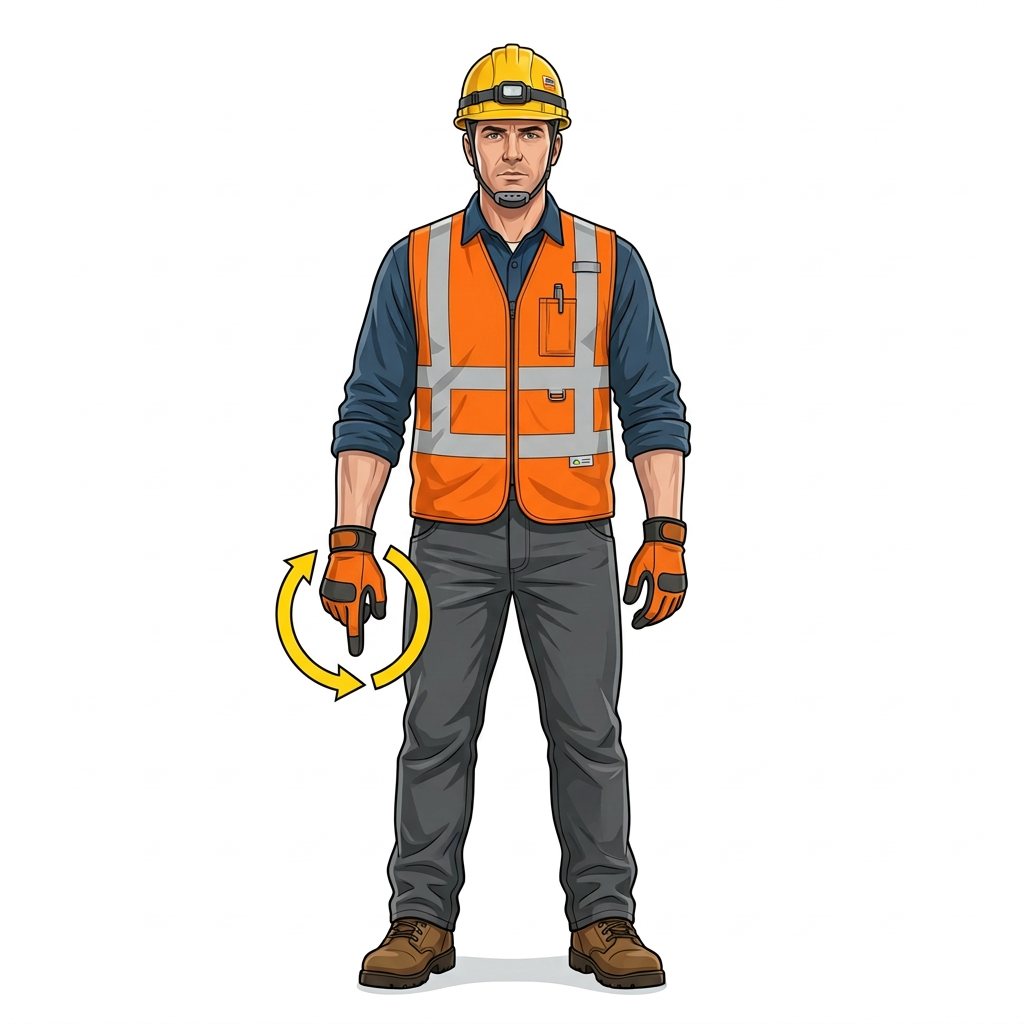
Lower Load
Boom & LoadTap to see meaning
Lower Load
Gesture
One arm extended downward with index finger pointing down, making a small circular motion.
Meaning
Signal the operator to lower the load. Maintain the signal until the load reaches the desired height.
Tap to flip back
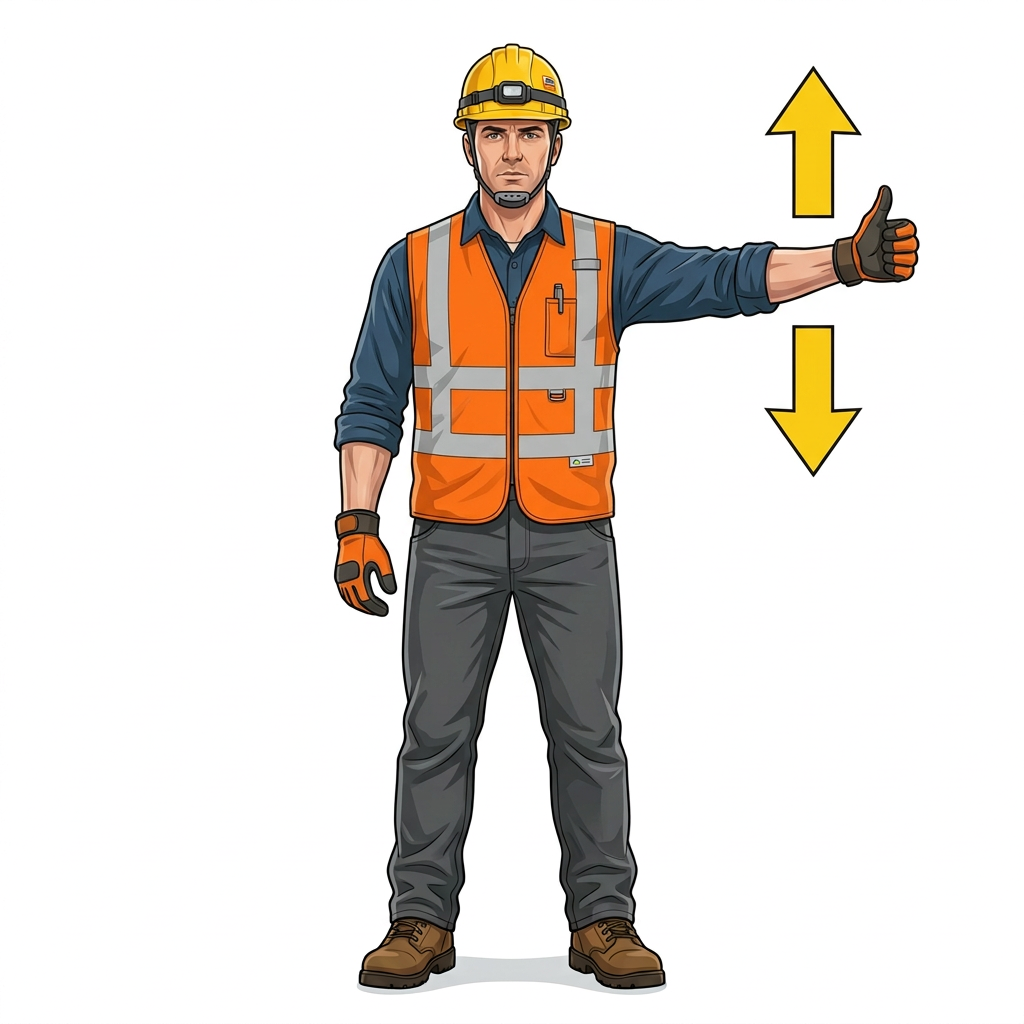
Raise Boom & Lower Load
Boom & LoadTap to see meaning
Raise Boom & Lower Load
Gesture
One arm extended out with thumb pointing up.
Meaning
Signal to simultaneously raise the boom while lowering the load. Used to reposition without changing load height.
Tap to flip back
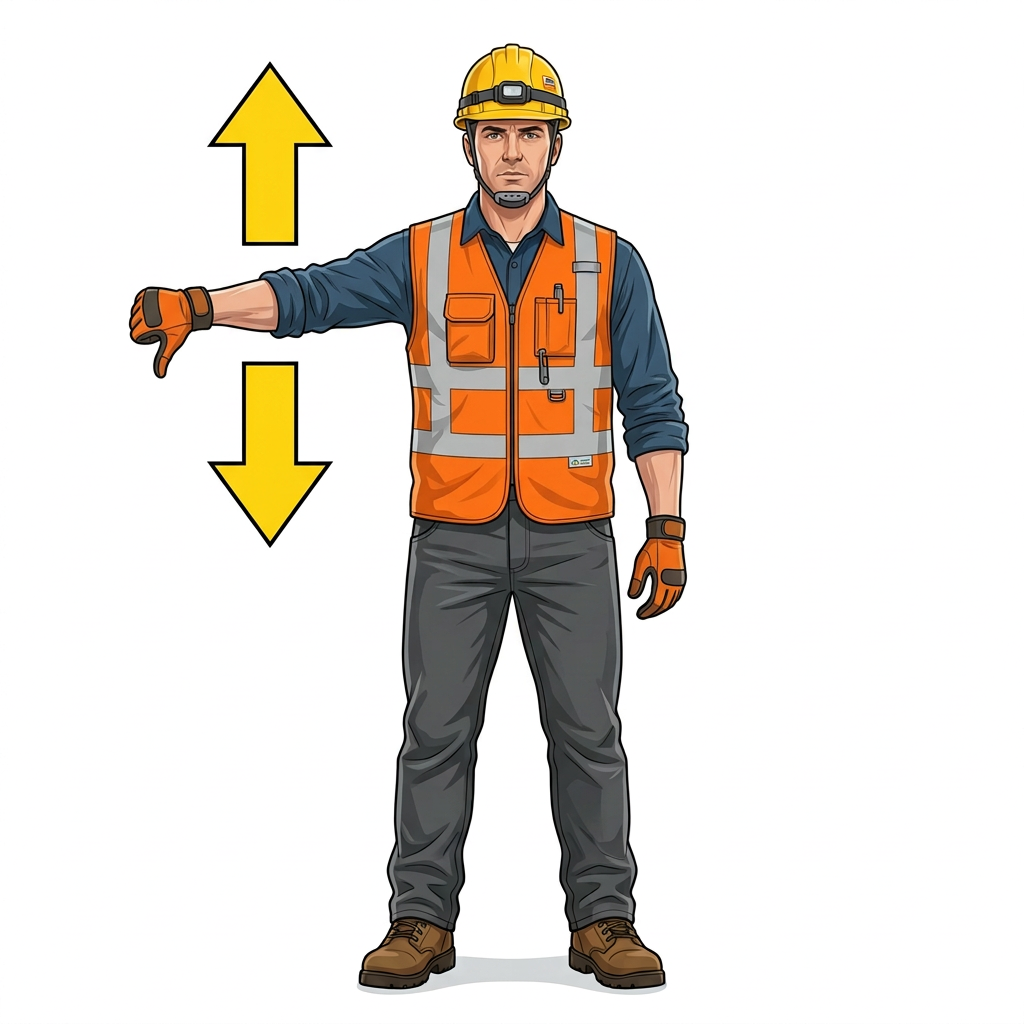
Lower Boom & Hoist Load
Boom & LoadTap to see meaning
Lower Boom & Hoist Load
Gesture
One arm extended out with thumb pointing down.
Meaning
Signal to simultaneously lower the boom while hoisting the load. Used to reposition without changing load height.
Tap to flip back
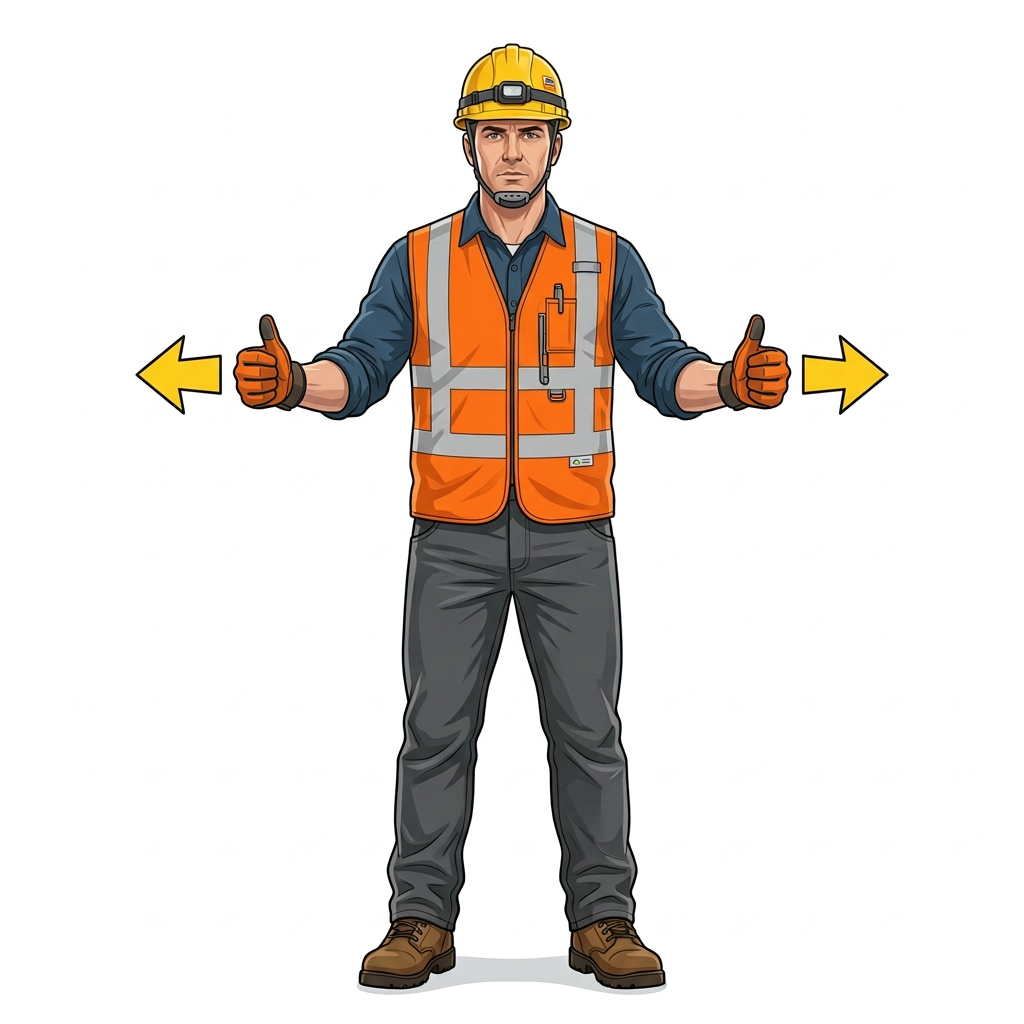
Telescope Out
Boom & LoadTap to see meaning
Telescope Out
Gesture
Both hands at waist level with thumbs pointing outward away from each other.
Meaning
Signal the operator to extend the telescoping boom outward, increasing reach. Used primarily with cranes and telehandlers.
Tap to flip back
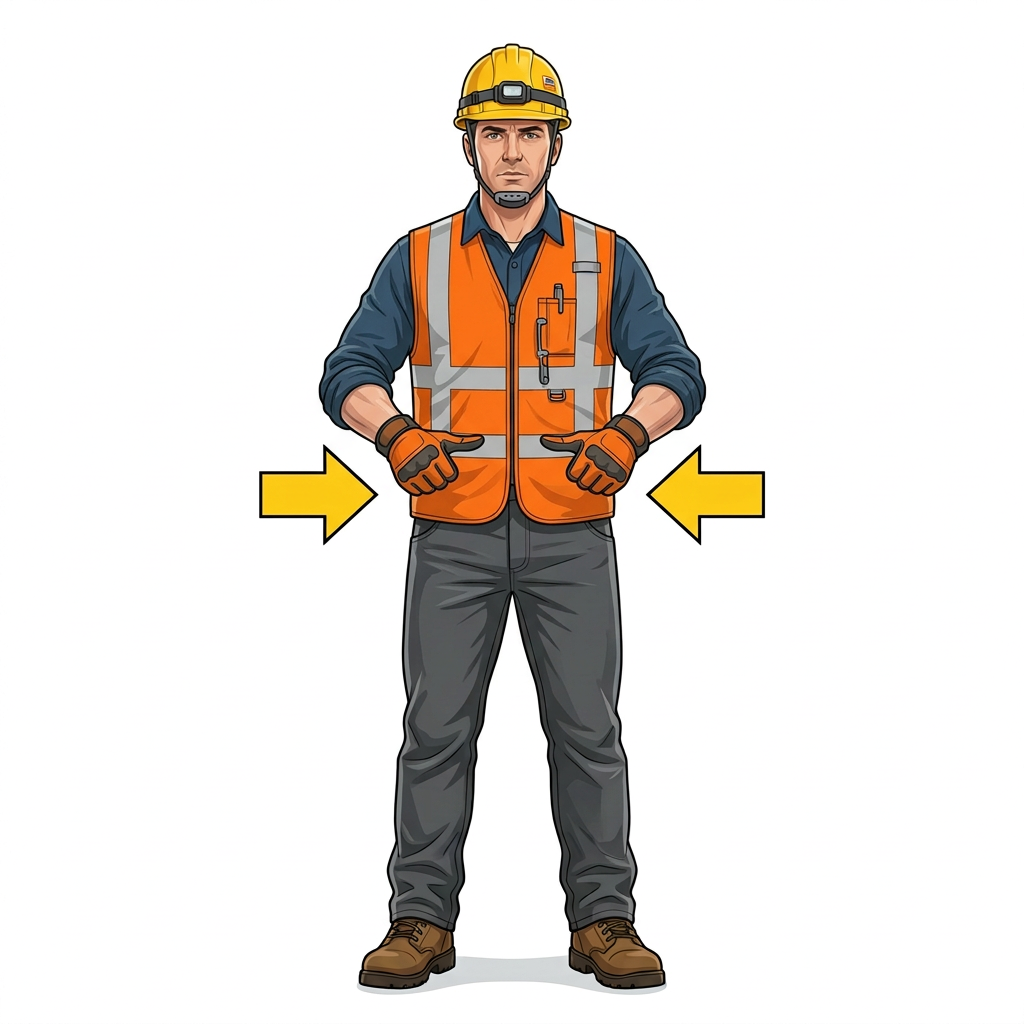
Telescope In
Boom & LoadTap to see meaning
Telescope In
Gesture
Both hands at waist level with thumbs pointing inward toward each other.
Meaning
Signal the operator to retract the telescoping boom, reducing reach. Used primarily with cranes and telehandlers.
Tap to flip back
Construction Hand Signals Guide
Heavy Equipment Learning Hub — Standard hand signals for safe equipment operation
Gesture: One arm extended horizontally to the side, hand flat palm down, sweeping side to side.
Meaning: All machine movement must stop immediately. Used when a hazard is spotted or operations must pause.
Gesture: Both arms extended outward horizontally to each side, hands flat palms down, sweeping outward.
Meaning: IMMEDIATE stop of ALL operations. Used in dangerous or life-threatening situations. Operator must shut down and not resume without verbal clearance.
Gesture: Both hands clasped together in front of chest with interlocked fingers.
Meaning: Pause all activity and hold position. Not an emergency — used during a planned break, safety check, or to wait for clearance before continuing.
Gesture: One arm extended upward with thumb pointing up.
Meaning: Signal the operator to raise the boom. Continue signal until the desired position is reached.
Gesture: One arm extended downward with thumb pointing down.
Meaning: Signal the operator to lower the boom. Maintain the signal until the boom reaches the desired position.
Gesture: One arm extended horizontally to the side, pointing in the direction of intended swing.
Meaning: Direct the operator to swing the boom in the indicated direction. Point clearly toward the target direction.
Gesture: One arm raised with index finger pointing up, making a small circular motion.
Meaning: Signal the operator to hoist (raise) the load. The circular motion indicates a continuous lift until a new signal is given.
Gesture: One arm extended downward with index finger pointing down, making a small circular motion.
Meaning: Signal the operator to lower the load. Maintain the signal until the load reaches the desired height.
Gesture: One arm extended out with thumb pointing up.
Meaning: Signal to simultaneously raise the boom while lowering the load. Used to reposition without changing load height.
Gesture: One arm extended out with thumb pointing down.
Meaning: Signal to simultaneously lower the boom while hoisting the load. Used to reposition without changing load height.
Gesture: Both hands at waist level with thumbs pointing outward away from each other.
Meaning: Signal the operator to extend the telescoping boom outward, increasing reach. Used primarily with cranes and telehandlers.
Gesture: Both hands at waist level with thumbs pointing inward toward each other.
Meaning: Signal the operator to retract the telescoping boom, reducing reach. Used primarily with cranes and telehandlers.